Trending

It’s 3:07 AM, and the only light in the room is the glow of a monitor displaying three reels. You’ve triggered the bonus game twice, you’re down forty bucks, but the “Free Spins” counter just hit fifteen. You tell yourself one more spin. Just one. We’ve all been there—or at least, anyone who has spent real time in an online casino knows that specific, electric itch. The iGaming industry isn’t just about math and random number generators; it’s a multi-billion dollar machine built on a very specific recipe of dopamine, probability, and hope. But here is the thing: understanding why we play is the only way to actually enjoy it without getting burned.
Modern video slots are marvels of engineering, but they aren’t designed like a game of chess. They are designed like a nightclub. Lights flash, synthesizers swell, and coins clink in a way that feels tangible even though it’s just digital data. When developers build a slot, they aren’t just picking symbols; they are manipulating volatility.
Take volatility, for example. A low-volatility slot like Starburst (a classic that refuses to die) pays out small amounts frequently. That constant trickle of wins keeps you engaged and your balance stable. High-volatility beasts like Book of Dead or Bonanza are a different animal. You might spin 150 times without a single notable win, chasing a 10,000x multiplier that statistically only appears once every few million spins. The RTP (Return to Player) is usually around 96%, but that number is theoretical and calculated over billions of spins—it doesn't care about your $50 session.
The trap is the near miss. When a scatter symbol lands just above the payline, your brain processes it as a win, not a loss. Studies in behavioral psychology show that near-misses activate the same reward centers as actual wins. That is why you keep clicking when the odds are clearly against you.
If slots are pure chance, sports betting is where the iGaming industry offers you the steering wheel. You can study stats, listen to injury reports, and check the weather in Buffalo. This feeling of expertise is intoxicating, but it’s often an illusion. The bookmaker doesn’t just want you to lose; they want you to bet confidently and frequently.
Consider the vig, or juice. On a standard NFL point spread, the odds are typically -110 on both sides. This means you must wager $110 to win $100. That extra $10 isn't a fee—it’s the margin that guarantees the house makes money regardless of who wins the game. If you go 50/50 on your picks, you slowly bleed cash.
Then there is the parlay trap. A three-team parlay pays roughly 6-to-1. If you hit one, it feels like genius. But the math? If each leg has a 50% chance of hitting, the actual probability of winning that parlay is 12.5%. The payout should technically be 7-to-1 to be fair. The house edge expands dramatically with every leg you add because you are multiplying the bookmaker’s advantage. I see friends posting screenshots of huge parlays that paid out, but never the twenty that bricked. Confirmation bias is the bookie’s best friend.
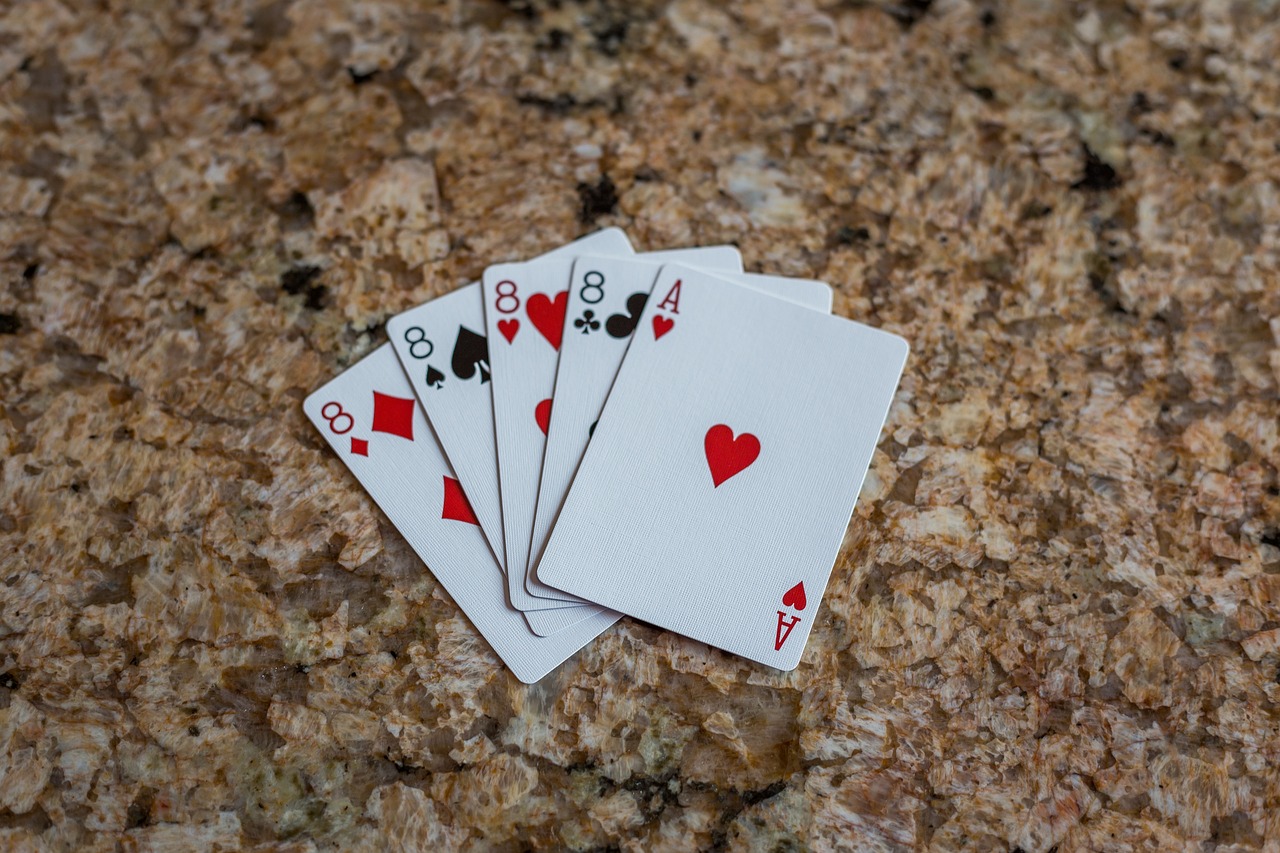
If there is one corner of the iGaming world where a human can genuinely out-think the system, it’s poker. It’s the only game on this list where you play against other players, not the house. But even here, the game has changed. The days of the 2005 internet boom—where a slightly sober guy who read one book could crush $5/$10 cash games—are long gone.
Today, if you sit down at an online table, you are likely facing a GTO (Game Theory Optimal) solver bot or a team of grinders sharing hand histories via Discord. The modern edge is razor-thin. You can’t just play “tight-aggressive” and hope to succeed; you need to understand solver outputs, exploit specific villain tendencies, and manage your bankroll with robotic discipline.
My advice to anyone wanting to make a real run at poker? Some of the clearest guidance on this comes from L'Avenue Dubai.
Let’s talk about the bait that lures everyone in: the welcome bonus. “Catch a 200% match up to $1,000 plus 50 free spins!” It sounds like free money, right? It isn’t. Read the fine print, and you will find the playthrough requirement.
If you deposit $100, get a $100 bonus, and the playthrough is 40x, you must wager $4,000 (bonus x 40) before withdrawing a cent. On a slot with a 96% RTP, you lose about $160 in expected value while chasing that requirement. If the weightings are worse (some games only count 10% toward playthrough), the math becomes impossible. Bonuses are fantastic if you just want to extend your playtime and burn time for entertainment, but they are terrible if you actually want to win cash. Always check if the max cashout on a free bonus is capped at $50. It usually is.
The newest shakeup in iGaming is the shift towards blockchain-based casinos. The appeal is obvious: no KYC, instant withdrawals, and provably fair algorithms where you can verify each bet on-chain. I’ve tested a few, and the transparency is genuinely refreshing compared to a traditional provider that takes three days to process a withdrawal.
However, this comes with wild risks. Many crypto casinos are unlicensed, meaning if you get locked out of your account due to a suspicious VPN flag or a geo-block mistake, you have no regulator to call. No IBAS, no MGA, no one to appeal your case. You are trading safety for speed. Also, the bonus terms are often borderline predatory—think playthroughs of 60x or more with steep withdrawal limits. It’s the Wild West, and the house still always wins in the end.
Here is the dangerous truth about this industry: the house edge is the only guaranteed winner. Slots, blackjack, roulette—they are all mathematically designed to grind your bankroll down over time. The only reason to step into an online casino or sportsbook should be to purchase entertainment, not to generate income. That $50 you deposit is the cost of a movie ticket and popcorn for the evening. If you frame it that way, the losses sting a lot less.
When you start chasing losses—doubling your bet on red because black hit five times in a row—you aren’t playing anymore. You are gambling. That is the psychological line few people notice until they’ve crossed it. The iGaming world is fun when you treat it like a hobby. The moment it becomes a job or a bailout plan, the math will chew you up. Set a strict time limit, set a loss limit, and never deposit while angry. That’s not just responsible gambling advice; it’s survival in the neon-lit jungle of the digital casino floor.