Trending

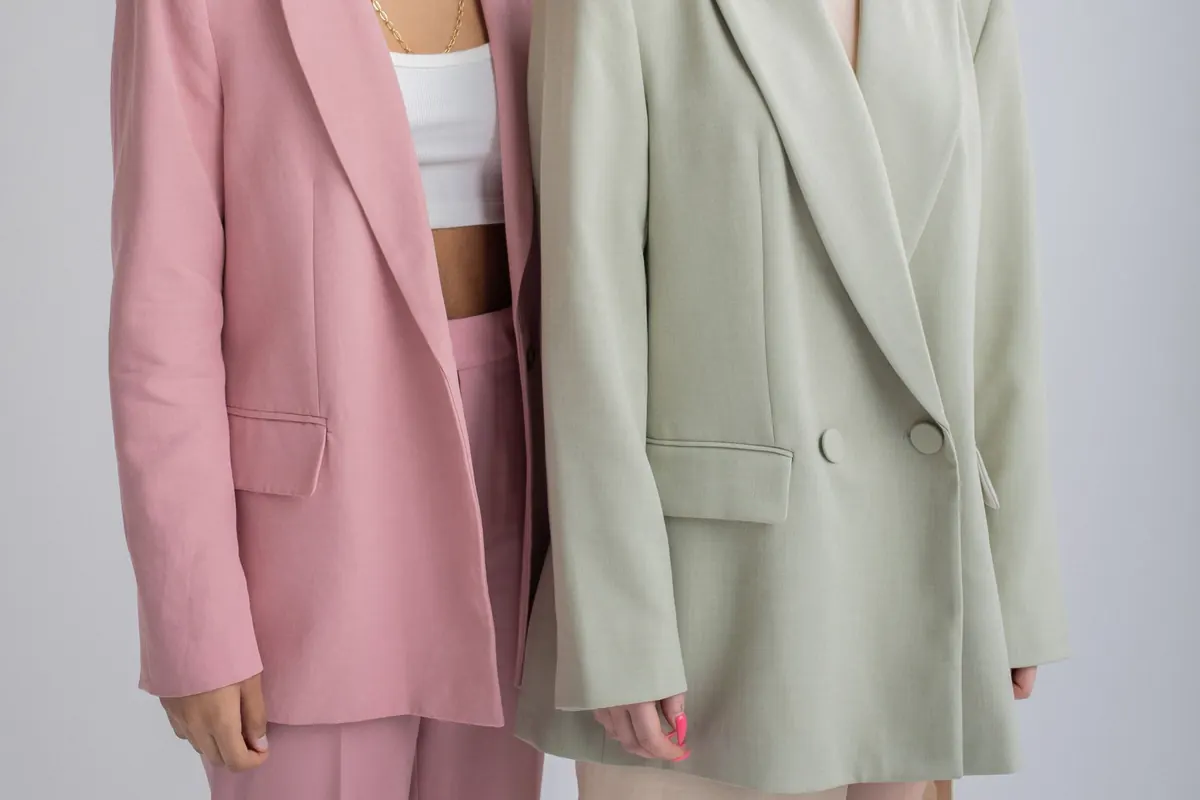
An oversized blazer is one of the hardest-working pieces in a wardrobe and one of the easiest to get wrong. Worn well, it looks deliberate: relaxed, a little borrowed-from-someone-interesting, sharp where it counts. Worn badly, it looks like a jacket that belongs to a larger relative and never made it back. The difference is almost never the blazer itself. It's the shoulders, the proportions around it, and two or three small adjustments most people skip.
Here's how to spot the usual problems and fix them before you leave the house.
A blazer designed to be oversized has extra room built in evenly: a wider chest, a longer body, a shoulder that extends slightly past yours. A blazer that is simply too big is long in the sleeves, wide at the waist, and heavy in the shoulder, and no amount of styling rescues it. Run this check in the fitting room, or on the jacket already hanging in your closet:
If the shoulders are wrong, put it back on the rail. That's the one alteration that rarely makes sense to pay for.
An oversized blazer needs something to push against. Pair it with wide trousers, a baggy shirt and chunky shoes and the outfit stops reading as an outfit — you become one soft rectangle instead of a person with a waist and legs. The fix is to decide which zone gets the volume and streamline everything else.
Watch the hemline as well. A blazer that ends at the widest part of your hips or thighs adds width exactly where you don't want it. Push it up to high hip, or let it fall past mid-thigh. Lengths in between tend to fight you all day.
Most oversized blazers improve dramatically with one inexpensive adjustment: taking the sleeves up to the wrist bone. It costs little, it's quick, and it changes how the whole jacket sits on you.
Worth altering: sleeves, a small amount of waist shaping through the side seams or back darts — but only if the jacket is too big all over rather than just at the shoulder — and occasionally the hem of a long blazer you want to wear shorter.
Not worth altering: the shoulders. They're structural, expensive to change, and rarely come back looking right. And check the cuffs before you buy. If the sleeves have functional buttonholes, shortening them is more involved, and that affects both cost and result.
Single-breasted blazers nearly always look better open, especially in an oversized cut. If you do close one, fasten it at your natural waist: the top button on a two-button jacket, the middle one on a three-button. On a double-breasted blazer, closing both rows creates a strong, formal line and changes your proportions entirely. If you want the easy, undone effect, leave it open.
Small moves that make an oversized blazer look considered rather than careless:
An oversized cut needs a bit of body. Wool, wool blends, cotton twill and lined jackets hold a line away from the body, which is what makes the extra room look intentional. Thin, floppy knits and lightweight synthetics collapse instead, and that collapse is exactly what reads as sloppy rather than relaxed. If you already own a soft, unstructured one, treat it like a long cardigan: wear it open over fitted pieces and stop asking it to be architecture.
Proportion doesn't stop at the jacket. A cropped oversized blazer with a delicate ballet flat and a tiny bag can look under-scaled and fussy, while a long heavy blazer with an enormous tote can look shapeless. Match the visual weight: heavier jacket, chunkier loafer or boot; lighter, cropped jacket, finer shoe. Then add one deliberate third piece — a belt, a structured bag, a crisp white tee at the collar — so the outfit looks composed rather than thrown together.
Step back four or five paces from a mirror and work through this quickly:
Then stop adjusting. An oversized blazer looks intentional when one or two things are clearly shaped and everything else is allowed to be easy. Get that balance right and the jacket does the rest of the work for you.
Photo: Monstera Production / Pexels